

Reference visual
Manufacturing and Quality
Precision Begins with Planning and Continues Through Production.
Well-prepared reinforcement starts with accurate information. At INDOSONNIC, production requirements are reviewed against the agreed drawings, bar bending schedules and project specifications to establish what must be manufactured, checked and delivered.
Manufacturing Process
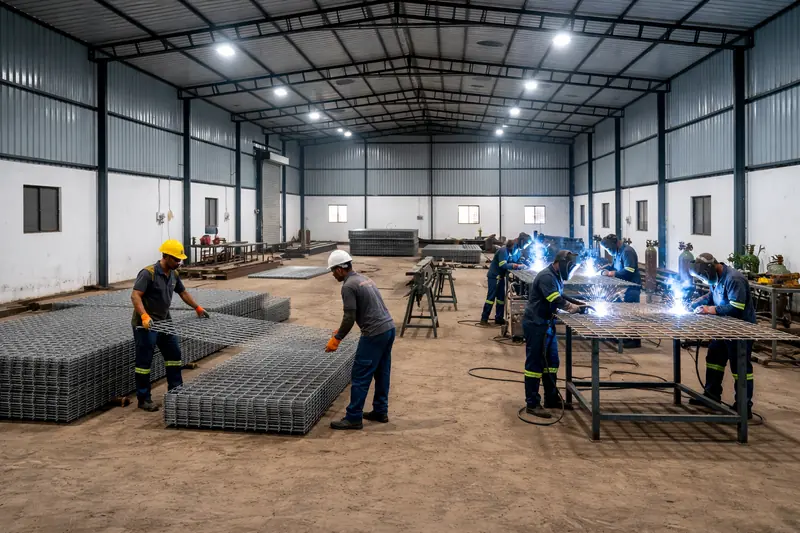
The manufacturing route is selected for the product. Cut and bent reinforcement requires controlled preparation of individual bars. Mesh panels, reinforcement cages and carpets involve additional positioning, assembly and connection operations. Each format requires clear production details covering material grade, dimensions, bar spacing, quantities and applicable inspection requirements.
Before production release, the relevant drawing revisions and supply scope must be confirmed. Any subsequent change is reviewed for its effect on material already processed, assembly details, quantities and delivery commitments.
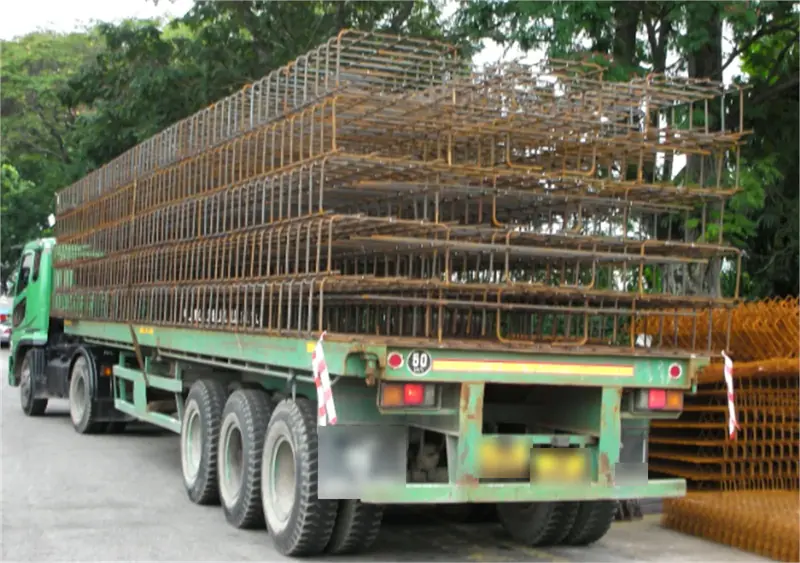
Completed reinforcement is inspected, identified and organised for dispatch. Clear bundle and assembly references help the receiving team connect the delivered material with the corresponding schedule, drawing or installation location.
Our manufacturing sequence
Step 01: Requirement Review
Review available drawings, schedules, product requirements and supply boundaries. Identify missing information and manufacturing constraints before work proceeds.
Step 02: Production Release
Confirm the approved production information, drawing revision, bar marks and quantities. Establish the instructions against which manufacturing and inspection will be carried out.
Step 03: Material Allocation
Allocate reinforcement of the specified grade and size. Review material identification and the supporting records required for the order.
Step 04: Processing and Assembly
Complete the agreed cutting, bending, positioning and assembly operations. Where welding or mechanical connections are included, apply the specified procedures and qualification requirements.
Step 05: Inspection
Check the characteristics relevant to the product, including dimensions, quantities, bar arrangement and connection details, against the agreed acceptance criteria.
Step 06: Product Identification
Identify bars, bundles or assemblies using the agreed marks and references to support handling, receiving and placement.
Step 07: Dispatch Verification
Confirm the dispatched quantities, identification, delivery references and required accompanying documents. Organise loading around the agreed delivery sequence.
Planned for practical site execution
Manufacturing and delivery should work together. Bundle sizes, assembly dimensions, lifting arrangements and delivery order are considered during planning so that prepared reinforcement can be received and handled within the project’s site constraints.
MQ02 — Quality Control & Traceability
Quality Checked at Defined Stages and Supported by Clear Records.
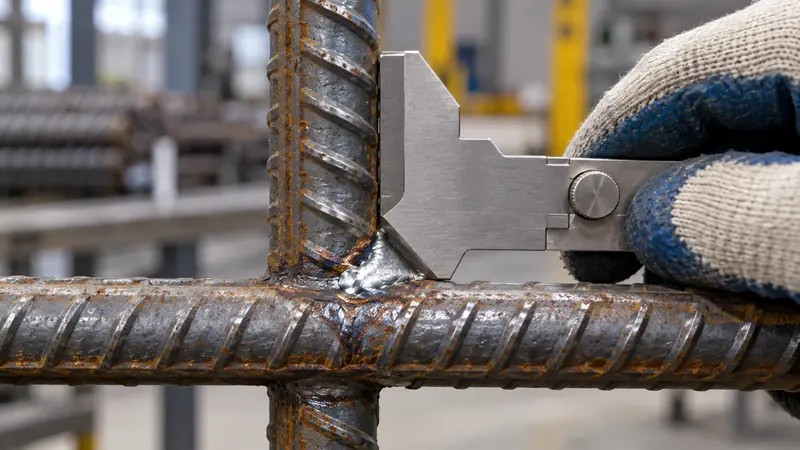
Reinforcement quality depends on the material selected, the accuracy of processing and the checks applied before release. A clear inspection scope establishes which characteristics must be verified, how they will be assessed and which records the customer requires.
Depending on the product, checks may cover material grade and identity, bar diameter, cut length, bend geometry, spacing, assembly dimensions, quantities and connection details. The inspection requirements should reflect the approved drawings, product specification and agreed supply scope.
Identification supports continuity between production and site delivery. Bar marks, bundle tags and assembly references help connect prepared reinforcement with its drawing or schedule. Where heat- or batch-level traceability is specified, the identification and record system must preserve that connection through material allocation, processing, assembly and dispatch.
Items that do not meet the agreed requirements must be identified and controlled. Their disposition—such as correction, replacement or an authorised concession—must be resolved through the agreed process before release.
What our quality review covers
Material identity and documentation
Review the specified reinforcement grade, size and available material certificates. Establish which records must accompany the order and how they relate to the supplied material.
Drawing and revision control
Confirm that manufacturing and inspection refer to the correct production revision. Review changes before they are introduced into ongoing work.
Dimensional accuracy
Check relevant lengths, bends, spacing and overall dimensions against the approved production information and specified tolerances.
Product-specific inspection
Define additional checks for mesh intersections, cage geometry, carpet attachments or mechanical connections where these form part of the supply.
Identification and traceability
Agree the required identification level, from drawing and bundle references to heat- or batch-linked records where specified.
Inspection and dispatch records
Prepare the records included in the agreed scope so the customer can review the delivered quantities, product references and inspection status.
Documentation matched to your project
Share your inspection plan, traceability requirements and document schedule during the enquiry stage. This allows the required checks, records and customer inspection points to be considered before production begins.
MQ03 — Technical Standards & Documentation
Clear Technical Requirements for Consistent Manufacturing.
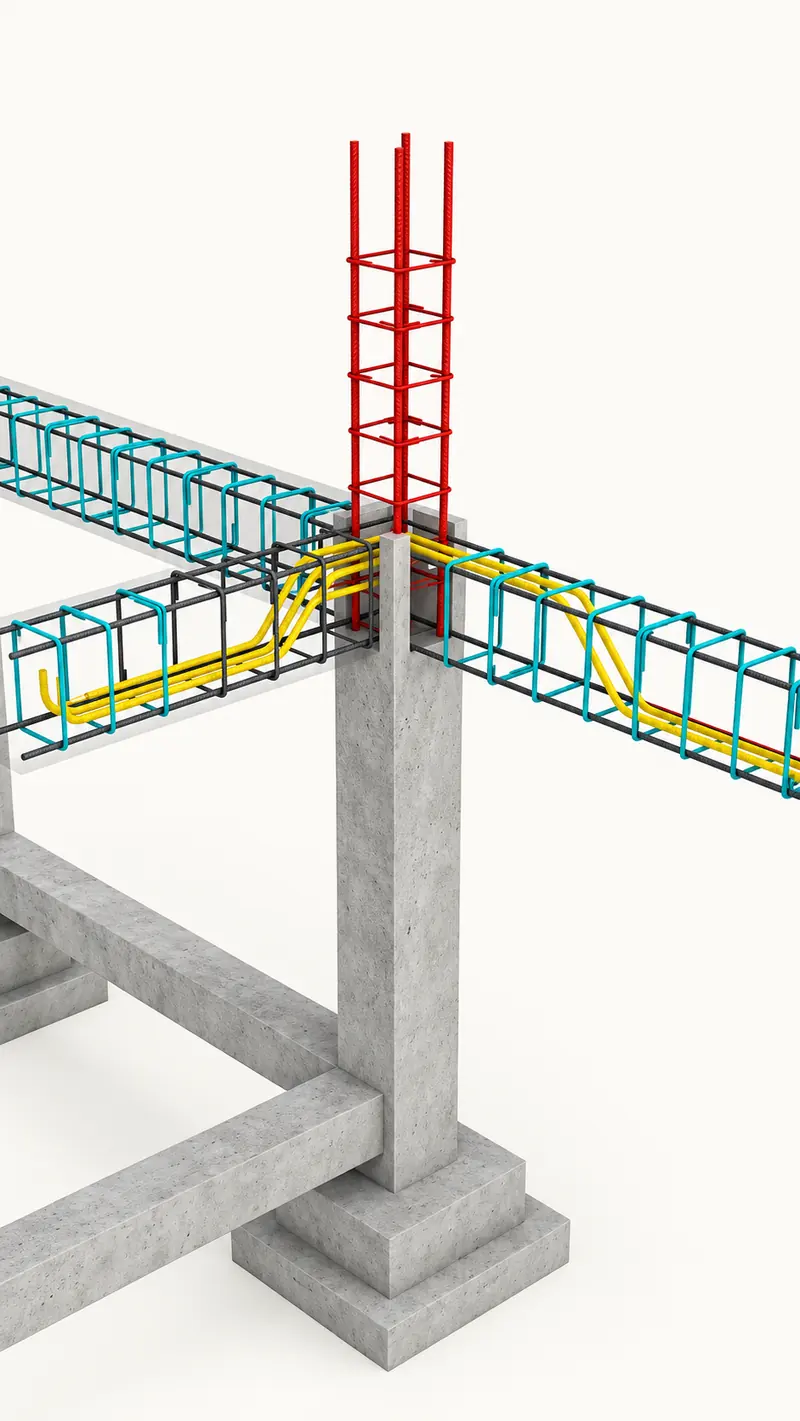
Successful reinforcement supply depends on a shared understanding of the technical requirements. Approved drawings, material specifications, fabrication details and inspection criteria must work together to define the finished product.
Different documents address different aspects of the work. A reinforcement material standard establishes requirements for the steel. A structural design code governs relevant design and detailing provisions. Fabrication and welding requirements address how the specified reinforcement is prepared and connected.
For each order, the applicable standards, editions, amendments and project requirements should be identified before manufacturing release. Where documents conflict or leave important details unresolved, clarification should be obtained through the project’s approval process.
Welded assemblies and mechanical connections require particular attention. The selected material, connection arrangement, manufacturing procedure and supporting tests must be suitable for the intended application and accepted within the project specification.
Documents that define the supply
| Document category | Information to establish |
|---|---|
| Structural Drawings | Approved reinforcement arrangement, member geometry, cover, laps, anchorage, openings and junction details relevant to the supply. |
| Bar Bending Schedules | Bar marks, diameters, shapes, dimensions and quantities, together with the relevant drawing references. |
| Material Documentation | Specified steel grade, applicable material standard and required certificates or test records. |
| Fabrication Drawings | Assembly dimensions, bar positions, connection details, identification and approved revisions. |
| Inspection and Test Plan | Inspection stages, sampling requirements, acceptance criteria, required records and any customer witness or hold points. |
| Welding Documentation | Applicable welding requirements, procedure and personnel qualifications, material suitability and specified examination or testing. |
| Mechanical Connection Documentation | Coupler specification, bar compatibility, preparation and installation instructions, qualification evidence and required tests. |
| Dispatch Records | Delivered quantities, bundle or assembly references and the accompanying documentation agreed for the order. |
A coordinated technical review
Customers should provide project specifications and special requirements with their drawings. Early review helps identify production constraints, documentation needs and approval points before material is processed.
MQ04 — Indian and International Standards
The Right Standards for the Material, Product and Application.
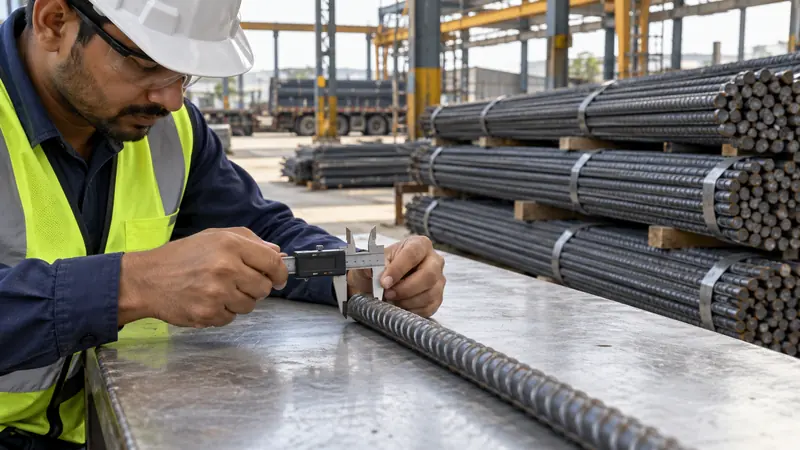
Reinforcement products must satisfy the technical requirements of the project in which they are used. Selecting the appropriate standards requires consideration of the steel, product format, fabrication method, connections and structural application.
INDOSONNIC reviews enquiries against the specified technical requirements and confirmed manufacturing capability. Indian Standards and international specifications may be considered according to the project location, contract and approval requirements.
The references below explain the principal standards associated with our reinforcement product families. Their application, edition, amendments, testing requirements and acceptance criteria must be established for the order.
Standards by product
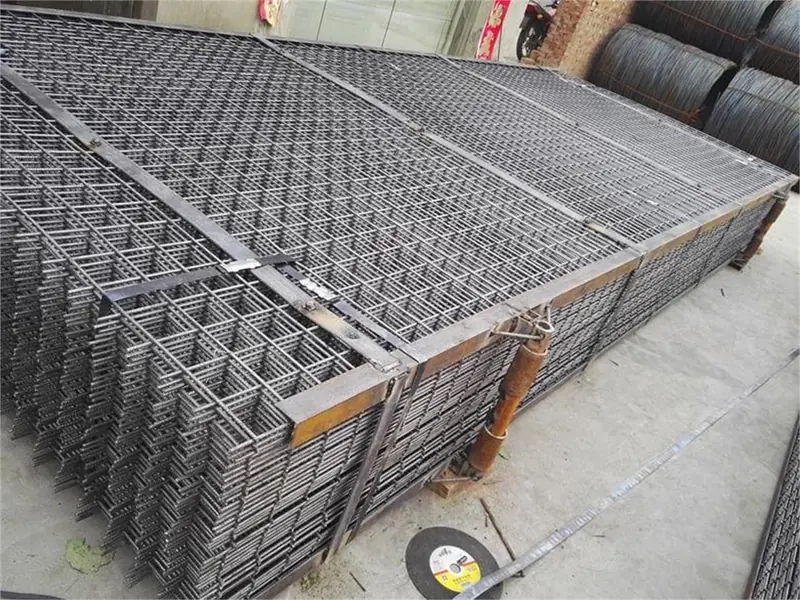
- Welded TMT Mesh and Custom Mesh PanelsIS 1786 · IS 9417 · IS 456 · ISO 6935-3 · BS 4483 · ASTM A184/A184M · ASTM A1064/A1064M
- Hard-Drawn Wire Fabric or BRC MeshIS 1566 · IS 432 Part 2 · ISO 6935-3 · BS 4483 · ASTM A1064/A1064M
- Cut and Bent Bars, Stirrups, Links and Shaped ReinforcementIS 1786 · IS 2502 · IS 456 · IS 13920 · BS 8666 · ASTM A615/A615M · ASTM A706/A706M
- Prefabricated Column, Beam and Foundation CagesIS 1786 · IS 2502 · IS 456 · IS 13920 · IS 9417 · BS 8666 · ISO 17660-1 · ISO 17660-2 · AWS D1.4/D1.4M
- Pile Reinforcement CagesProject-specific review
- Reinforcement CarpetsIS 1786 · IS 456 · IS 9417 · ISO 17660
- Reinforcement Couplers and Mechanically Spliced BarsIS 16172:2023 · ISO 15835 series
- Reinforcement Chairs, Spacers and SupportsBS 7973-1 · BS 7973-2
- Custom Reinforcement AssembliesProject-specific review
Reinforcement Couplers and Mechanically Spliced Bars
Indian reference
- IS 16172:2023 Reinforcement couplers for mechanical splices of steel bars in concrete.
International reference
- ISO 15835 series Requirements, test methods and conformity assessment provisions for reinforcement couplers within the series’ scope.
Reinforcement Chairs, Spacers and Supports
Indian basis
Approved cover, reinforcement position and support requirements should be established from the structural drawings, relevant IS 456 provisions and project specification.
International references
- BS 7973-1 Product performance requirements for reinforcement spacers and chairs.
- BS 7973-2 Fixing and application of spacers and chairs and tying of reinforcement.
Custom Reinforcement Assemblies
Custom assemblies require a defined combination of material, fabrication, connection and inspection requirements. Applicable standards are selected according to the actual components and manufacturing operations.
Documentation for Your Order
Depending on the agreed scope, documentation may include:
- Material certificates and identification records.
- Approved drawings and bar bending schedules.
- Fabrication drawings and revision references.
- Inspection and test records.
- Welding procedure and qualification records.
- Coupler qualification and installation requirements.
- Bundle identification and dispatch records.
Technical qualification note
Standards listed on this page are technical references. Their inclusion does not constitute a certification claim, confirmation of equivalence or approval for every application. The governing standards, editions, amendments and acceptance requirements must be agreed for each order. Product suitability remains subject to the approved structural design and confirmed manufacturing capability.
Share Your Drawings. Let’s Prepare What Comes Next.
Send your drawings, quantities, material specifications, project location, and delivery requirements for a project-specific quotation.